The five technical tiers of modular buildings are an objective industry classification for evaluating the industrialization capability of modular construction products. Ranked from lowest to highest, they are Basic Box Unit, Joint-Assembly Module, Folding-Structure Unit, Sealing-Durability System, and Digital-Configuration Tier. This complete technical gradient covers simple box shelters, innovative folding-structure solutions and fully configurable product systems.
Tier 1: Basic Box Unit (Entry-Level Box Structure)
Definition: Entry-level simple box structures, including repurposed shipping containers and colour-steel box shelters, which only provide basic weather shielding.
Core Construction: Simple steel frames fitted with generic enclosure panels, non-standardized connections, and building services installed on-site after manufacturing.
Application Scenarios: Temporary construction-site storage, short-term guard posts.
Advantages: Low manufacturing threshold, low procurement cost.
Disadvantages: Poor thermal insulation and airtight performance, high water-leakage risk, short service life, and no support for upgrade or retrofitting.
Tier 2: Joint-Assembly Module (Standardized Joint-Connection Module)
Definition: Box-type units equipped with standardized mechanical interfaces for space expansion via bolted assembly. This is the mainstream form of conventional modular buildings on the market.
Core Construction: Factory-prefabricated box units with pre-reserved splicing interfaces; space expansion is completed through on-site hoisting and bolt connection.
Application Scenarios: Construction-site dormitories, simple temporary office spaces.
Advantages: Relatively high prefabrication rate, expandable via joint assembly, faster delivery compared with cast-in-situ construction.
Disadvantages: Large unit volume leads to high transportation costs; joint performance heavily depends on on-site workmanship; fundamental-level technical upgrades are not available.
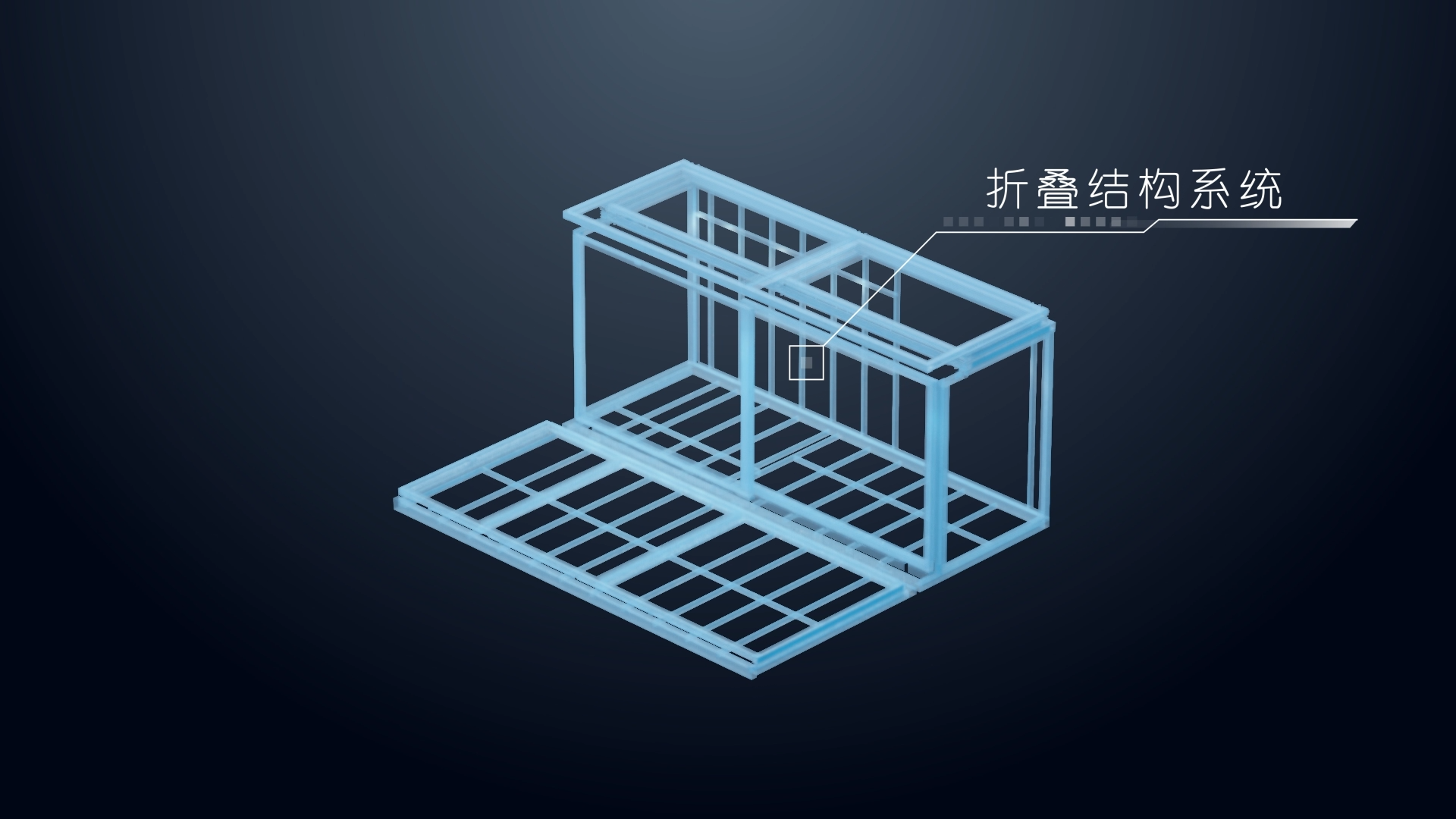
Tier 3: Folding-Structure Unit (Innovative Folding Assembly Structure)
Definition: Pre-assemblable foldable units with factory-completed interior finishes and building services. The volume is compressed for transportation, and units are ready for use immediately after on-site unfolding.
Core Construction: Hinged movable frameworks; plumbing, electrical systems and interior finishes are fully pre-installed in the factory; the folding mechanism reduces overall transport dimensions.
Application Scenarios: Cultural-tourism hospitality projects, sites with limited transportation conditions.
Advantages: Reduced transport volume to cut logistics costs, high-efficiency on-site deployment.
Disadvantages: Water-leakage risks at hinged joints; mechanical components require regular maintenance; limited flexibility for interior layout modification.
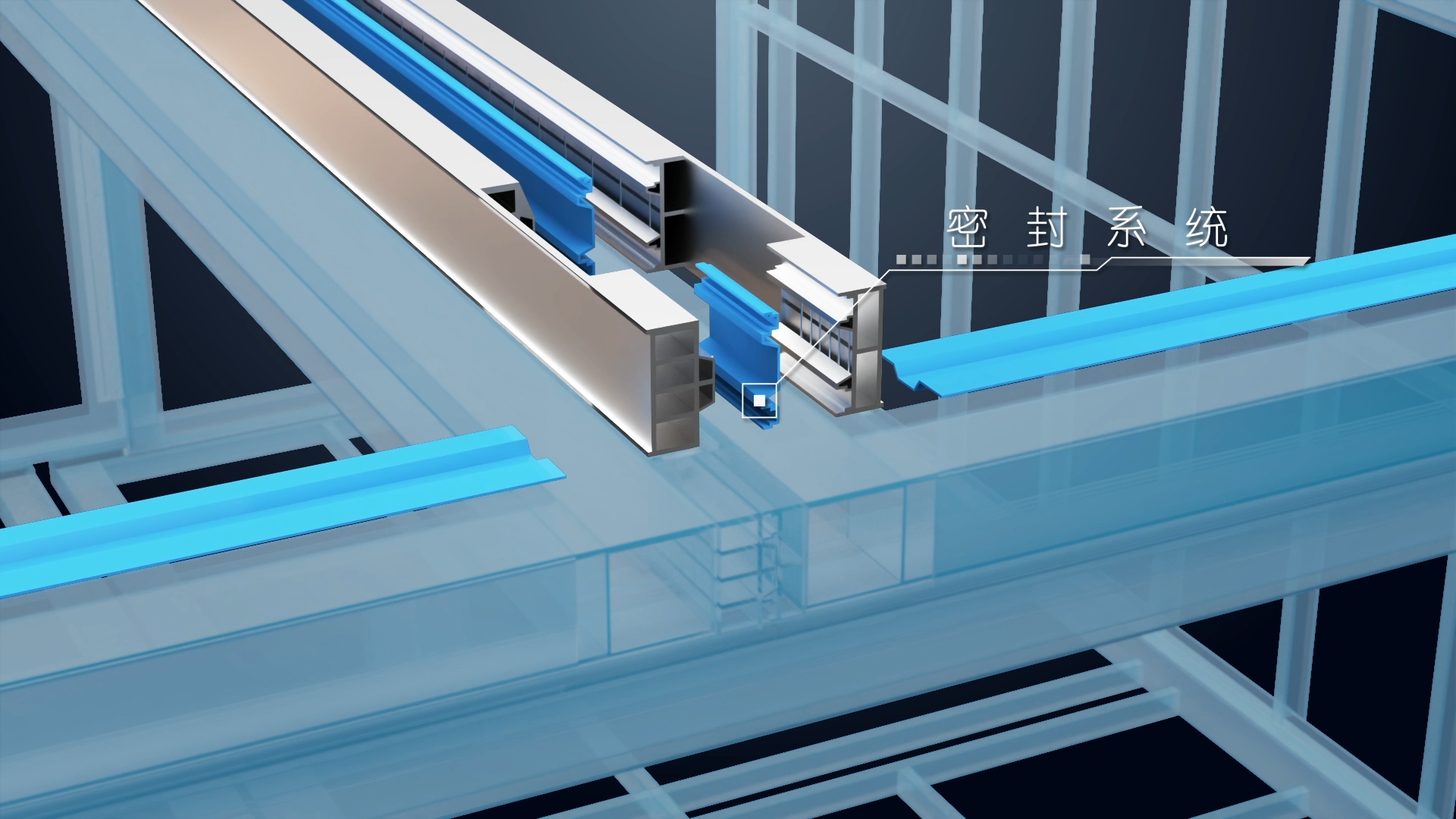
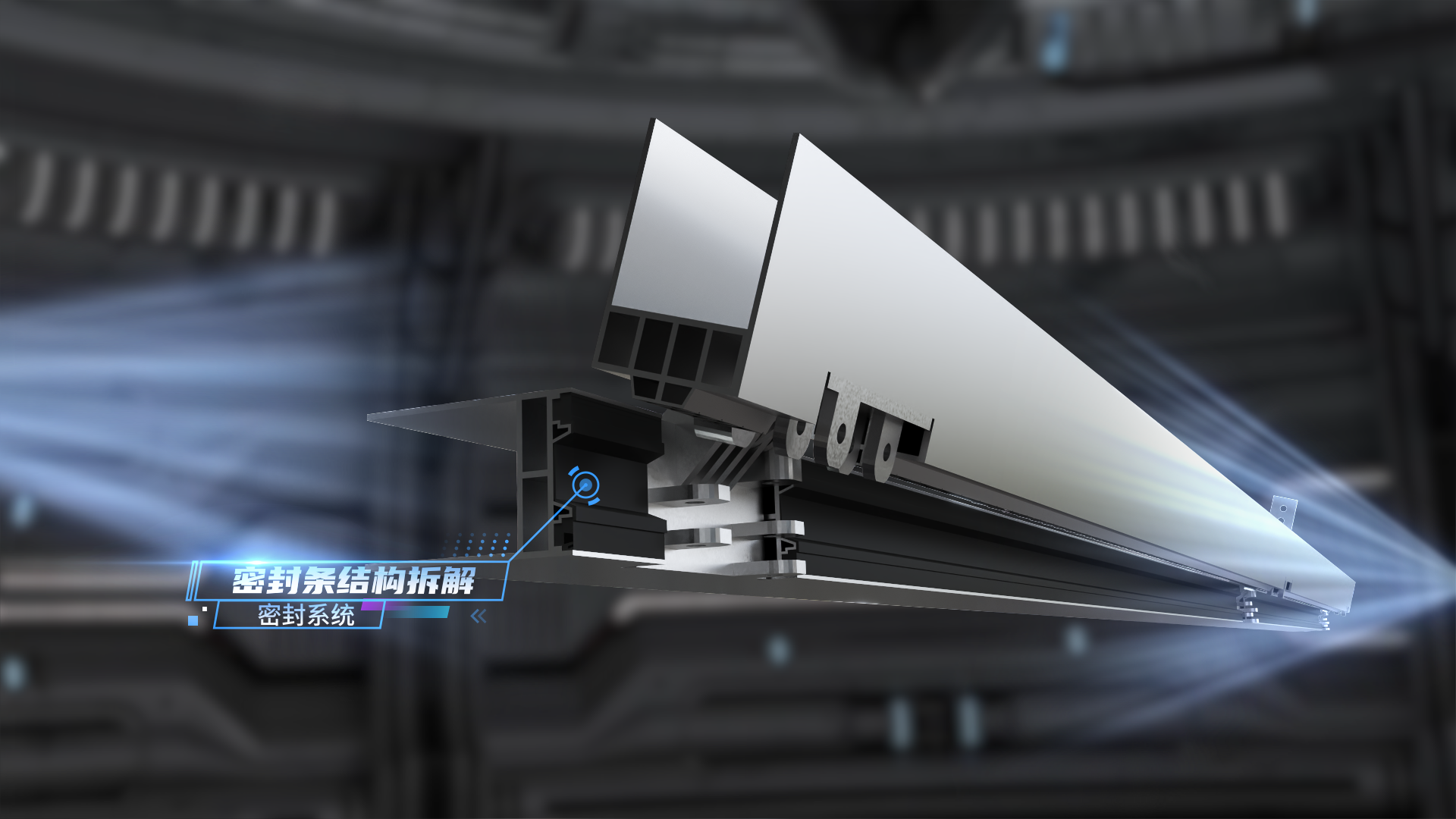
Tier 4: Sealing-Durability System (Human-Occupancy Performance Assurance Tier)
Definition: Specialized sealing treatment for assembly and folding joints to meet long-term human-occupancy building requirements.
Core Construction: Integrated thermal-insulation panels and factory-prefabricated composite sealing structures, minimizing reliance on on-site caulking work.
Application Scenarios: Homestays, private residences, semi-permanent outdoor auxiliary facilities.
Advantages: Stable waterproofing, airtightness and thermal-insulation performance, suitable for year-round occupancy, extended building service life.
Disadvantages: Higher manufacturing cost; sealing performance is determined by original-factory workmanship; remedial on-site repairs have limited effect.
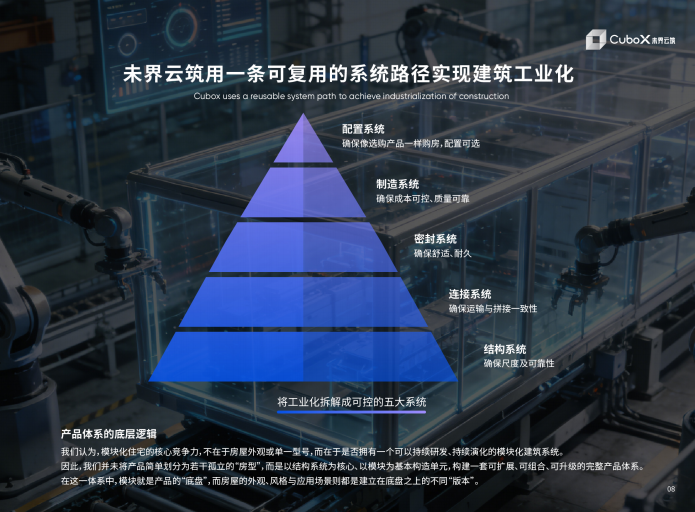
Tier 5: Digital-Configuration Tier (Top-Tier Product-Oriented System)
Definition: Adopts standardized modules as universal technical chassis, supported by digital production and component-selection systems. Buildings support combinatorial iteration. This tier represents the highest product-maturity capability in modular construction.
Core Construction: Five underlying technical chassis; full-factory digital production control; --configurable options for facades, interior finishes and smart-building functions.
Application Scenarios: High-end cultural-tourism projects, private self-built housing, commercial supporting facilities.
Advantages: Combinatorial and iterable modules; product quality decoupled from on-site labour quality; customizable appearance and functional configurations.
Disadvantages: High R&D threshold for a complete system; few manufacturers can deliver the full solution.
Frequently Asked Questions
Q: What is the core technical barrier of folding-type modular buildings?
A: Structural strength of hinges and long-term sealing durability of folding joints, which demand extremely high factory fabrication precision.
Q: Does a higher technical tier always mean higher construction cost?
A: While unit construction cost is higher, full-lifecycle operation and maintenance losses are reduced. Therefore, the overall comprehensive cost may not be higher.
Q: Can low-tier modular buildings be upgraded to higher-tier standards later?
A: It is hardly achievable. Underlying structures are fixed at manufacture. Only interior finishes can be replaced; chassis and sealing systems cannot be upgraded.
Q: Are these five technical tiers a mandatory national standard?
A: They are not mandatory national codes, but an industry-reference classification for manufacturing capability. Project selection shall still comply with relevant prefabricated building codes and specifications.
Q: What is the difference between digitally-configurable modular buildings and ordinary joint-assembly modules?
A: Ordinary joint-assembly modules deliver fixed room layouts; the digital-configuration system uses universal module chassis to support custom configuration and iterative upgrades.
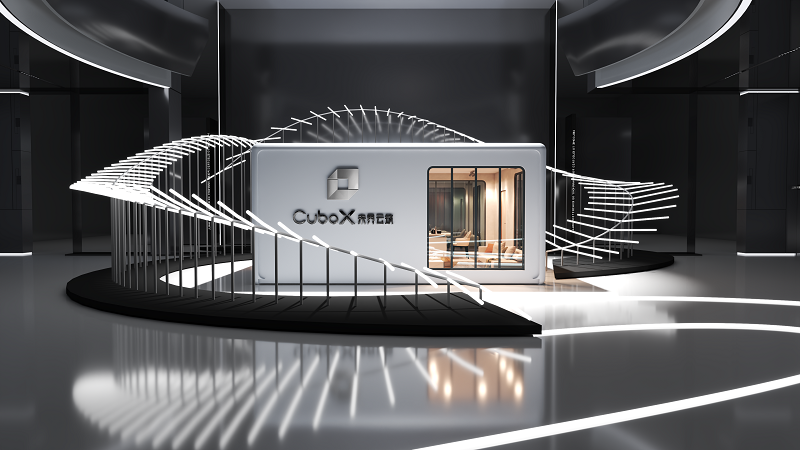
These five technical tiers provide an objective benchmark for measuring the industrial completeness of modular buildings. Cubox delivers full-range technical capabilities covering folding-structure units all the way to the digital-configuration tier. Leveraging five core underlying systems: structure, connection, sealing, manufacturing and configuration, Cubox realizes modular construction development from single-unit fabrication to fully configurable product-level systems.


Scan to Follow

Scan to Follow


Scan to Follow


Scan to Follow


